
Modern Facade Cladding Methods: A Step-by-Step Guide
Introduction: Why Proper Facade Cladding Matters
A home's facade is not just the "face" of the building, but its protective shield. Quality cladding increases energy efficiency, protects walls from moisture and temperature fluctuations, and, most importantly, boosts the property's market value. The "Skhivi Plus" team presents a practical guide on how to plan facade work at a professional level.
Step 1: Assessing Wall Condition and Surface Preparation
Before applying any type of material, the wall must be perfectly prepared. This is the stage where mistakes are the most costly.
- Cleaning and Diagnostics: Remove old paint layers, dirt, and fungal growth. Check the integrity of the wall – look for cracks or deep deformations.
- Checking Density: Ensure the wall is stable and not crumbling. If necessary, use a strengthening primer.
- Waterproofing: Do not skimp on waterproofing. It is the barrier that protects your thermal insulation layer and the wall structure from water.
Step 2: Choosing Thermal Insulation
Given the climatic conditions in Georgia, facade cladding is unthinkable without high-quality thermal insulation. The most common materials are:
- Polystyrene (Styrofoam): A budget-friendly and simple method that retains heat well.
- Mineral Wool: Known for its high fire resistance and vapor permeability, which allows the walls to "breathe."
Step 3: Modern Cladding Methods
The choice of material depends on the building's architecture and your budget:
1. Decorative Facade Plaster (Stucco)
This is a classic and relatively economical method. Modern mixtures (acrylic or silicone-based) are resistant to precipitation and retain their color for many years.
2. Ventilated Facades
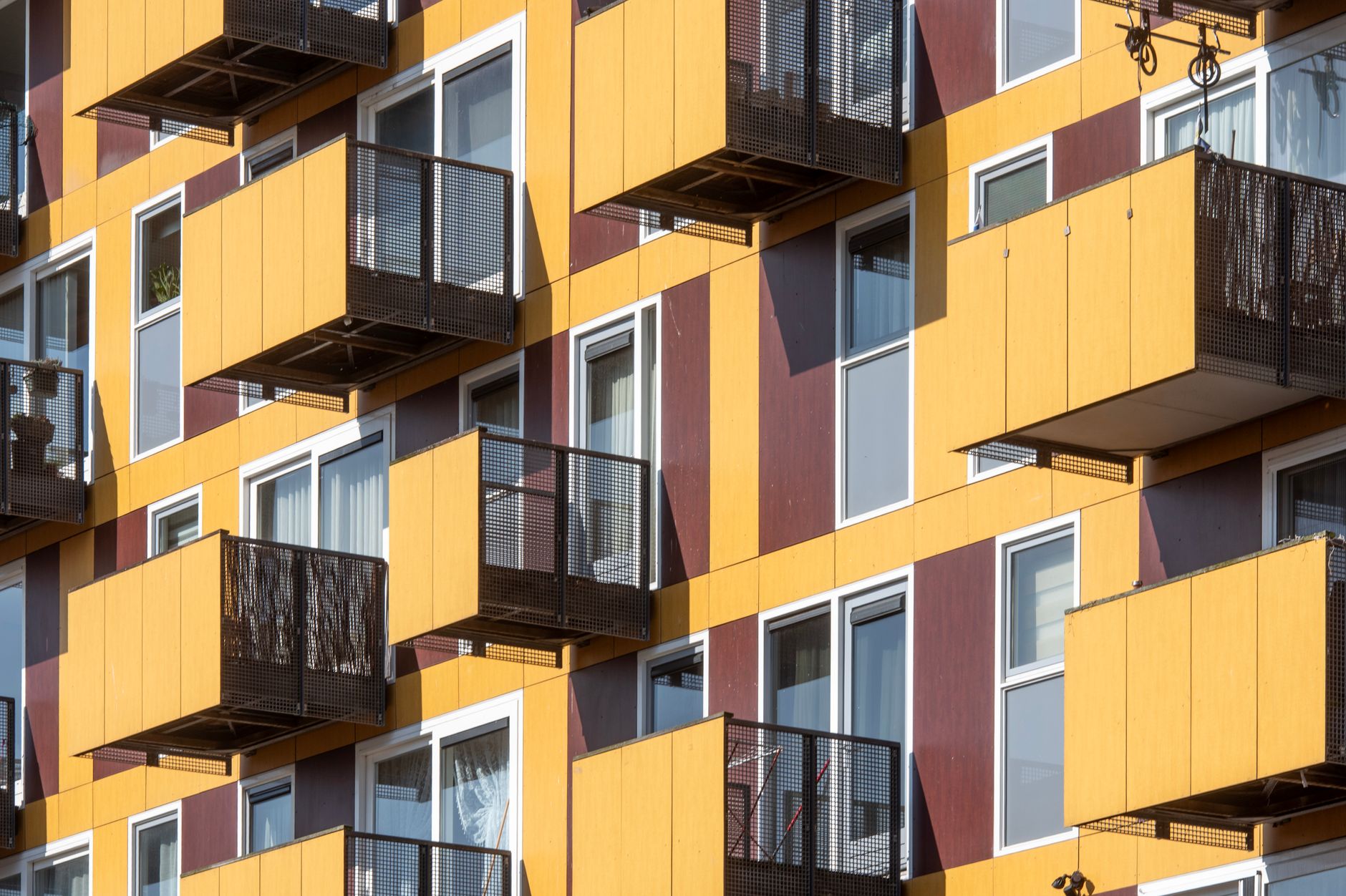
This method involves leaving an air gap between the wall and the cladding material. Ventilated facades (composite panels, ceramic tiles) are best for commercial spaces and modern homes, as they effectively combat condensation.
3. Facing Brick and Stone
If you want a durable and aesthetically appealing facade, natural stone or clinker brick is the best choice. This method requires a solid foundation and skilled craftsmen, as mistakes can lead to the cladding collapsing.
Step 4: Quality Control and Warranty
During facade work, the most important thing is strictly adhering to technological processes. For example, do not start exterior work in very hot or rainy weather, as the drying process of the materials will be compromised.
At "Skhivi Plus," we always recommend requesting a cost estimate and a detailed project plan before starting facade cladding. This will save you from unnecessary expenses and ensure that the materials used meet international standards. Our team offers a 5-year warranty on all work performed, because we are confident in the professionalism of our craftsmen and the quality of the materials used.
Conclusion: Facade cladding is an investment that will pay off through lower energy bills and a well-preserved home exterior. Do not try to rush the process at the expense of quality – turn to professionals and get results that will prove their worth for years to come.
Plan your renovation with us – "Skhivi Plus" cares about your comfort.