
Choosing the Right Heating System: Optimizing Costs and Long-term Savings
Introduction: Why Heating Is Your Most Important Investment
When planning a renovation for your apartment or private house, attention is most often focused on the visual side—colors, furniture, and lighting. However, from the perspective of professional builders, the "heart" of a home is its heating system. An incorrectly selected boiler or poor-quality pipe installation can become a "black hole" in your family budget.
At "Skhivi Plus," we often see properties where owners skimped on installation costs and, as a result, ended up with increased utility bills and constant discomfort. In this article, we will discuss how to choose a system so that it is both effective and a profitable investment.
Types of Heating and Their Budget Efficiency
There are several main types of heating, and the choice depends on your space, insulation, and financial capabilities:
- Central Heating (with a boiler): This is currently the most popular choice. Condensing boilers are more expensive initially, but they reduce gas consumption by 20-30%. In the long run, this difference pays for itself entirely.
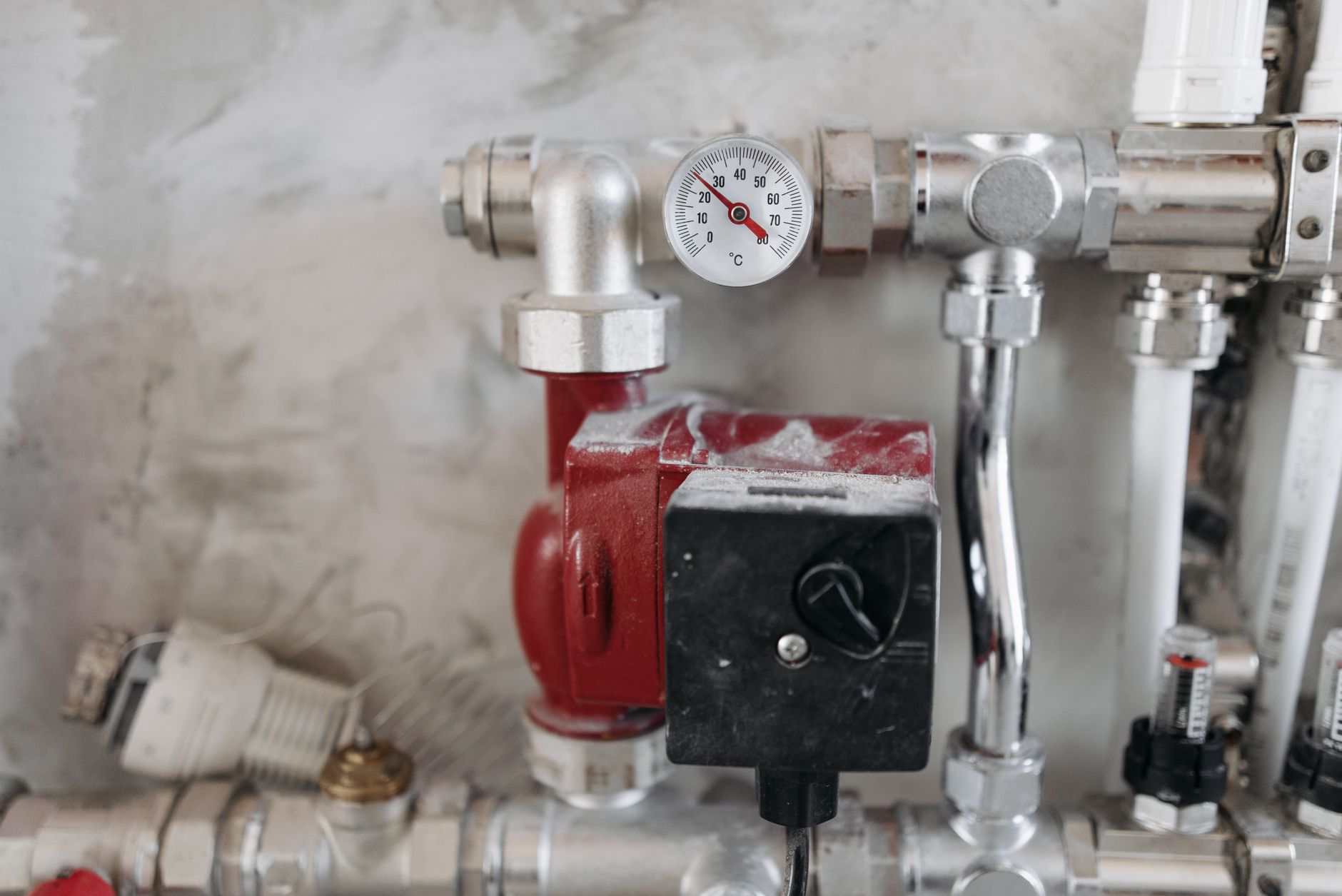
- Underfloor Heating: Considered the most comfortable and energy-efficient method. Although installation requires more financial resources (special pipes, screed, manifolds), it ensures even heating of the room even at low temperatures.
- Combined Systems: Often, a combination of a boiler and radiators/underfloor heating is optimal.
Cost Estimation: What Are You Paying For?
When creating a renovation budget, the heating system is divided into three main parts:
- Technique and Equipment: Boiler, radiators, thermostats, and manifolds. Saving money here is not worth it—low-quality boilers often break down and require expensive spare parts.
- Installation Materials: Pipes, fittings, and insulation. Users often forget about proper pipe insulation, which leads to heat loss in the walls.
- Qualified Installation: This is an area where professionalism determines everything. An improperly designed system, where pressure is incorrectly distributed, leads to uneven heating of radiators, which increases gas consumption.
How to Save Money in the Long Run?
The main trick is thermal efficiency. If you are doing a major renovation, consider the following:
- Room Thermostats: Individual thermostats allow you to turn off heating in rooms you aren't using.
- Insulation: The quality of walls and windows is directly related to the capacity of the heating system. The less heat loss, the less boiler power you need, which reduces initial capital investment.
- Professional Planning: The heating system should be calculated by taking heat losses into account. Don't pay extra for an overly powerful system that isn't necessary for your space.
Conclusion
The heating system is not just a technical detail; it is the foundation of your home's comfort and economy. "Skhivi Plus" recommends that before starting renovations, you consult with specialists who will draw up an accurate estimate and plan the system according to your apartment's specific characteristics. Remember, quality installation today means stable comfort and saved money for years to come.
If you are planning to renovate an apartment or house and need professional consultation on selecting a heating system, our team is ready to help. Contact us and receive a 5-year warranty on the work we perform.
Related articles
Choosing the Right Heating System: Expert Answers to Frequently Asked Questions
How do you choose a heating system for your home? Here are answers to questions that will help you achieve energy efficiency and comfort.